
Some links are affiliate links. Each review says whether I used the tool myself. Full disclosure
In this article (10)
- Why Do Most Emails Get Ignored?
- How Do You Write Subject Lines That Earn the Click?
- Why Does Preview Text Matter So Much?
- How Does Your Sender Name Affect Opens?
- How Does Segmentation Improve Open Rates?
- When Should You Send Your Emails?
- How Do You Write Opening Lines That Hook Readers?
- What Mistakes Kill Email Open Rates?
- What Does a Good Open Rate Look Like?
- Frequently Asked Questions
Why Do Most Emails Get Ignored?
43% of recipients say they ignore outreach that feels impersonal or generic (DemandSage, 2026). The inbox is not a broadcast channel. It is a personal space, and subscribers treat messages from unknown senders or vague subject lines the same way they treat junk mail: they skip past without a second glance.
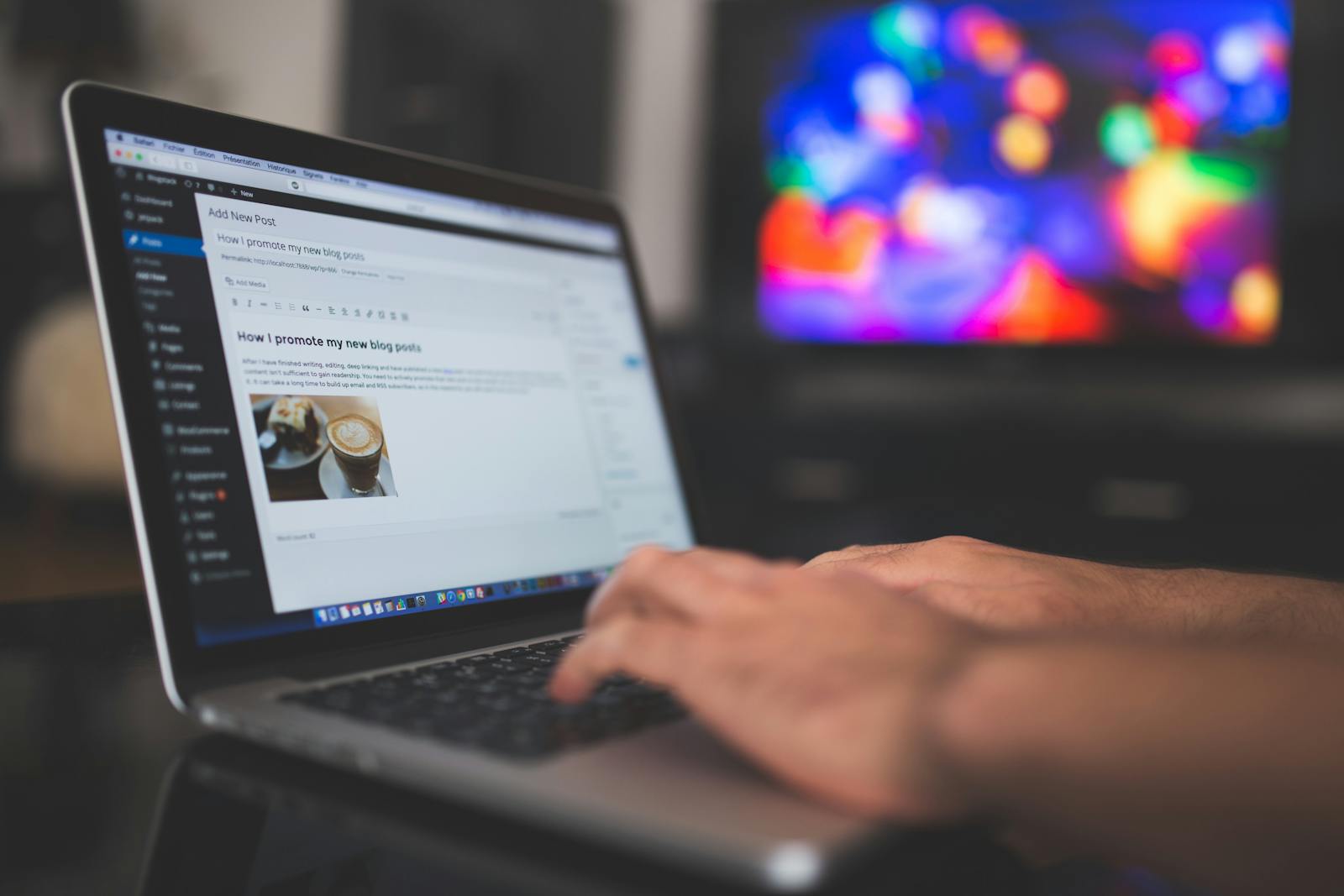
Three things determine whether your email gets opened before anyone reads a single word of your content:
Everything else, including your content quality, your call to action, and your design, only matters after someone opens the email. If you are not optimizing these three visible elements, you are losing readers before they give you a chance.
How Do You Write Subject Lines That Earn the Click?
Emails with personalized subject lines are 27% more likely to be opened (MailerLite, 2025). The most opened campaigns use subject lines between 20 and 40 characters, and they are 45% more likely to fall in that range than lower-performing ones. Short, specific, and personal beats long and clever every time.
Here is what the data says works:
Keep It Under 40 Characters
Mobile devices show roughly 30-40 characters of a subject line before truncating. Since 55% of email opens happen on mobile (Omnisend, 2025), anything after character 40 is invisible to most of your audience. Write the subject line for the phone screen first, then check how it reads on desktop.
Use Specificity Over Cleverness
“5 tools I use daily” outperforms “An exciting update for you” because it promises something concrete. Vague subject lines force the reader to guess what is inside, and most people do not guess in your favor. Tell them exactly what they get.
Test Personalization
Adding the subscriber’s first name to the subject line increases open rates by 18-26% across studies (Campaign Monitor via GenesysGrowth, 2025). But name tokens alone are not enough. The best personalization references something the subscriber actually did: a download, a purchase, a page visit. “Dwayne, your content plan is ready” works because it connects to a specific action.
Subject Line Examples
Use Emojis Sparingly
Subject lines with emojis see a 4.7% higher open rate compared to those without (MailerLite, 2025). Top-performing campaigns are 21% more likely to include one emoji. The key word is one. Multiple emojis in a subject line trigger spam filters and reduce credibility. Place a single emoji at the beginning or end to add visual contrast without overwhelming the message.

Why Does Preview Text Matter So Much?
How to Write Effective Preview Text
Optimized preview text can increase open rates by up to 30%, yet only 11% of marketers bother to customize it (Rejoiner, 2025). That gap is one of the biggest untapped opportunities in email marketing. Most creators leave the preheader to default to the first line of their email body, which usually reads something like “View this email in your browser” or “Hi [Name], hope you’re well.”
Your preview text is the second line your subscriber sees in their inbox, right after the subject line. Think of it as a subtitle that either reinforces curiosity or kills it.
Keep it between 40-60 characters for mobile display. The first 50 characters carry the most weight since many email clients truncate after that point. Your preheader should expand on the subject line, not repeat it. If your subject says “3 tools I switched to this month,” your preview text should say something like “One of them cut my editing time in half.”
Subject + Preview Text Combos
Subject: “I almost deleted this email”
Preview: “Then I looked at the open rate data. Here is what I found.”
Subject: “The $0 tool that replaced Canva for me”
Preview: “I have been using it for 6 weeks. No going back.”
Subject: “Your 90-day content plan”
Preview: “Week-by-week breakdown with templates attached.”
One thing to watch: Gmail has started rolling out AI-generated summaries powered by Gemini that can replace your preview text entirely. While this is still limited, it makes writing strong opening lines even more important since Gmail may pull from your email body instead of your preheader.
How Does Your Sender Name Affect Opens?
Personal sender names result in 3.81% more opens than business names (MailerLite, 2025). That percentage seems small until you multiply it across every email you send for a year. On a 2,000-person list sending weekly, 3.81% means roughly 3,960 additional opens annually from changing one field.
For solo creators, the best format is “First Name from Brand” (e.g., “Dwayne from WrayWest”). This approach gives you the trust of a personal name with the recognition of your brand. Your subscribers subscribed to hear from you, not from “WrayWest Media LLC.” Use your real name. It signals that a person wrote this message, not a marketing automation.
One tactical detail: keep your sender name consistent. Changing it frequently confuses subscribers and can trigger spam filters. Pick your format, set it once, and leave it alone.

How Does Segmentation Improve Open Rates?
Segmented emails drive 30% more opens and 50% more click-throughs than unsegmented campaigns (HubSpot, 2025). The most opened campaigns are 28% more likely to use subscriber filters like groups or segments. Sending the same email to everyone on your list is the fastest way to train subscribers to ignore you.
Segmentation does not require complex software. Even basic grouping makes a measurable difference. Creators just getting started should focus on these three segments:
Split subscribers into active (opened in last 30 days), warm (opened in last 90 days), and cold (no opens in 90+ days). Send re-engagement campaigns to cold subscribers and your best content to active ones.
Tag subscribers based on which lead magnet they downloaded or which links they click. Someone who downloaded a “content calendar template” wants different emails than someone who grabbed a “pricing strategy guide.”
New subscribers (first 30 days) should get your welcome sequence. Established subscribers who have been on your list for months need different content than someone who joined yesterday.
Independent testing finds that even splitting a list into a few engagement tiers can lift opens and click-throughs meaningfully, and the numbers at scale are even more dramatic: segmented campaigns generate 760% more revenue than non-segmented ones (Campaign Monitor via Omnisend, 2025). That is not a typo. The revenue difference between broadcasting to everyone versus sending targeted messages to groups is nearly 8x. Every major email platform, including Kit, MailerLite, and Beehiiv, supports tagging and segmentation on their free tiers. Our comparison of the best email platforms for small creators breaks down which one fits your needs.
When Should You Send Your Emails?
Run Your Own Test
Tuesday and Thursday between 9-11 AM local time consistently deliver the highest open rates across 2025-2026 studies (MailerLite, 2026). Friday generates the highest average open rate at 49.72%, but that number can be misleading because fewer campaigns are sent on Fridays, reducing competition in the inbox.
There is an interesting split between opens and clicks. Morning sends (8-11 AM) get the most opens because people check their inbox when they start their day. But evening sends (5-8 PM) get higher click-through rates because subscribers have more time to engage with content after work hours. The right answer depends on your goal: awareness or action.
Email open rates peak in the evening around 8 PM, reaching approximately 59% (Source: Omnisend 2025).
Industry benchmarks are a starting point, not a prescription. Your audience might be night owls or early risers, parents checking email during nap time or professionals scanning their inbox on a commute. Pick two send times (e.g., Tuesday 9 AM vs Thursday 6 PM) and alternate them for four weeks. After eight sends, compare your open and click rates. Your own data will always beat a general benchmark.
AI send-time optimization tools are available on platforms like ActiveCampaign and Mailchimp. These tools analyze individual subscriber behavior and deliver emails when each person is most likely to engage. Early data suggests this approach increases open rates by up to 23% over static timing. If your platform offers it, try it for a month and compare results against your manual testing.
How Do You Write Opening Lines That Hook Readers?
Four Opening Formulas That Work
76% of consumers get frustrated when brand interactions are not personalized (DemandSage, 2026). The opening line of your email is where personalization matters most. It is the first thing subscribers see after they click, and it determines whether they keep reading or close the tab.
The worst opening line in email marketing is “I hope this email finds you well.” It communicates nothing. It adds no value. It signals that what follows is generic.
“Last Tuesday I accidentally sent a test email to my entire list. 340 people replied.” Start with a specific moment. A real event. Subscribers lean in when they sense a genuine story unfolding.
“I analyzed my last 50 subject lines. The ones under 30 characters got 2.3x more opens.” Lead with a number the reader did not expect. Make it specific and grounded in real data, ideally something you can back up from your own results.
“When was the last time you unsubscribed from a newsletter?” Ask something the reader cannot help but answer mentally. The question should connect directly to the topic you are about to cover.
“Most email marketing advice tells you to send on Tuesday mornings. My highest open rate came from a Sunday at 9 PM.” Challenge a common assumption with evidence. This pattern works because it creates a knowledge gap the reader wants to close.
The pattern across all four formulas is the same: be specific, be personal, and get to the point. Your readers gave you their email address. Respect that by making every line earn their attention. For those building a first email system, our email marketing playbook covers the full strategy from list building to monetization.
What Mistakes Kill Email Open Rates?
52% of consumers say they will look elsewhere if a brand sends emails that are not personalized (DemandSage, 2026). Beyond personalization, there are five common mistakes in creator newsletters that suppress open rates even when the content inside is strong.
Dead email addresses drag down your sender reputation. ISPs track your bounce rate and engagement metrics. If too many emails bounce or go unopened, your future sends land in spam for everyone, including engaged subscribers. Remove hard bounces immediately and re-engage or remove subscribers who have not opened in 90 days.
Subject lines like “DON’T MISS THIS!!!” trigger spam filters and signal desperation. Spam filters score your emails based on patterns, and aggressive punctuation is a major flag. Write subject lines the way you would text a friend: normal casing, no exclamation marks.
Going silent for three weeks and then sending four emails in two days confuses subscribers and triggers unsubscribes. Consistency trains your audience to expect and look for your emails. Pick a day, pick a time, and stick with it. A weekly Tuesday email beats an erratic schedule every time.
Apple Mail accounts for 46% of the email client market and its privacy feature automatically preloads images, inflating your open rate by up to 18 percentage points (Omnisend, 2025). Relying on open rates alone means working with inflated numbers. Track click-through rates and click-to-open rates alongside opens for a clearer picture of real engagement.
When you write the subject line as an afterthought, it shows. The subject line is your email’s headline, its most important element. Write it first. Write five variations. Pick the one that is shortest and most specific. Then build the email around the promise you made in that subject line.

What Does a Good Open Rate Look Like?
Creators who apply these six steps typically see inbox engagement climb toward the 40-50% range within 4-6 weeks of consistent sending. Lists with under 1,000 readers often reach 40-55% because smaller audiences tend to be more invested (MailerLite, 2025). Welcome messages perform even higher, averaging 63-84% read rates.
Open Rate Benchmarks for Creators
Beyond open rates, track your click-to-open rate (CTOR). The average CTOR in 2025 was 6.81%, up from 5.63% in 2024 (MailerLite, 2025). CTOR measures how many people who opened your email actually clicked a link. This metric tells you whether your content delivers on the promise your subject line made.
A strong open rate paired with weak CTOR (below 5%) suggests your headlines are working but the body copy is not matching expectations. When both numbers are low, start with the subject line and preview text fixes in this guide. The compound effect of improving both metrics is significant: email marketing still returns $36-$42 for every $1 spent in 2026 (InboxAlly, 2026).
Frequently Asked Questions
What is a good email open rate for small creators in 2026?
The average open rate across industries is 43.46% based on 3.6 million campaigns (MailerLite, 2025). Small creators with under 1,000 readers typically see 40-55% because their audiences are more engaged. Anything above 40% is strong. An inbox engagement rate below 30% signals a need to revisit subject lines, send frequency, and list hygiene.
How long should an email subject line be?
The most opened email campaigns use subject lines between 20 and 40 characters (MailerLite, 2025). Shorter subject lines display fully on mobile screens, where 55% of email opens happen. Aim for 6-10 words that communicate a specific benefit or spark curiosity without resorting to clickbait.
Do emojis in email subject lines help or hurt open rates?
Emojis provide a modest boost. Subject lines with emojis see a 4.7% higher open rate and a 3.3% higher click-through rate than those without (MailerLite, 2025). Use one emoji maximum, place it at the beginning or end of the subject line, and test whether your specific audience responds. Overusing emojis can trigger spam filters.
What is the best day and time to send marketing emails?
Tuesday and Thursday between 9-11 AM local time consistently deliver the highest open rates across studies (MailerLite, 2026; Omnisend, 2025). For click-throughs, evening sends between 5-8 PM perform better. The best approach is to test two send times with your own list over four weeks and let your data guide you.
How does email segmentation affect open rates?
Segmented emails drive 30% more opens and 50% more click-throughs than unsegmented campaigns (HubSpot, 2025). Segmented campaigns also generate 760% more revenue than non-segmented ones (Campaign Monitor via Omnisend, 2025). Even basic segmentation by interest or engagement level can lift open rates by 10-15 percentage points.
Should I use my personal name or business name as the sender?
Personal sender names result in 3.81% more opens than brand names (MailerLite, 2025). The most effective format for solo creators is “First Name from Brand” because it combines personal trust with brand recognition. Subscribers open emails from people they recognize, and a personal name signals a human wrote the message.
Sources & Further Reading
- HubSpot: Average Email Open Rate Benchmark. Industry benchmarks for open rates by industry and list size.
- DemandSage: Email Marketing Statistics 2026. Aggregated benchmarks across open, click-through, and conversion rates.
- Litmus: Email Marketing ROI. $36-$42 return per $1 spent industry benchmark.
- Mailchimp: Email Marketing Benchmarks. Open and click-through rate data segmented by industry.
- HubSpot Marketing Statistics: 2025 Marketing Statistics. Email subject-line and performance benchmarks.
Share this article
WrayWest
By Dwayne Lindsay · Building sustainable creator businesses without the noise.
Start Here · Framework · Articles · Tools · About · Contact
© 2026 WrayWest. All rights reserved.
Full-time chef building a creator business alongside my day job. I work the 6:30 AM to 3:00 PM shift and write about what actually works around it.
Writes about: creator business · side income · solo founder tools · email marketing · personal finance for creators
Credentials: Tool research distilled into the WrayWest framework. Writing publicly about creator business since August 2025. All claims anchored to primary sources (IRS, BLS, SEC, CFPB, Federal Reserve, Kajabi, Influencer Marketing Hub, etc.).